
Quick comparison: daily wipes remove dust and light polish transfer, while weekly deep care preserves the bubblegum-pink printed motifs and chrome legs on the RM009 Pink LV/Kitty Pattern handrest. We’ll walk you through client-to-client steps plus longer routines so the pebbled black faux‑leather surface and faint watermark stay vibrant without risking chrome corrosion.
How to do a fast client-to-client reset
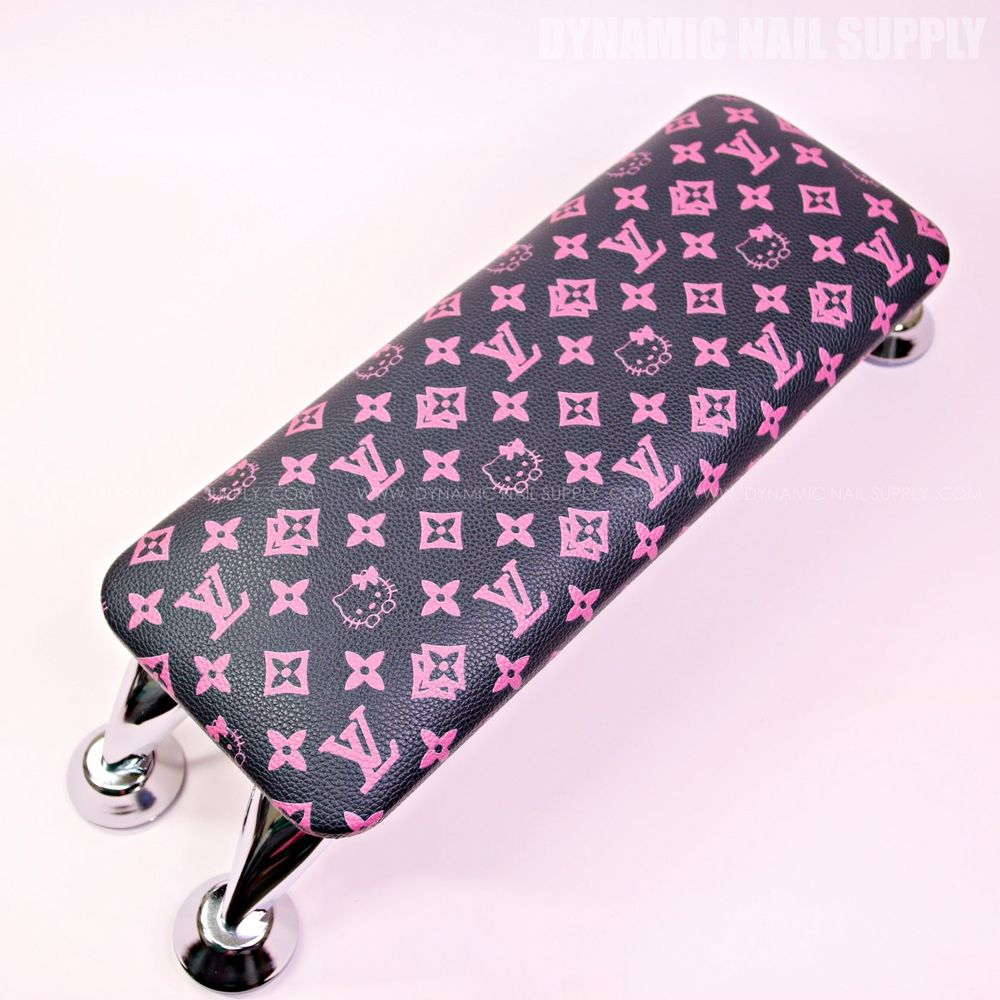
Between clients we keep the workflow brief and safe. Use a low-moisture, pH-neutral surface cleaner applied to a soft microfiber cloth — never saturate the cushion. With gentle, even passes we remove surface oils, light polish smears, and dust from the pebbled texture. Finish with a dry microfiber to avoid streaks.
- Tools: two microfiber cloths (one damp, one dry), pH-neutral cleaner in spray bottle, nitrile gloves.
- Method: spray cloth (not cushion), wipe across the print following the pebble texture, then buff dry.
- Tip for different nails: for services with short or natural nails the same quick wipe suffices; for long extensions check the base of tips for adhesive residue and remove immediately with a damp cloth.
How to treat polish transfer and sticky residue safely
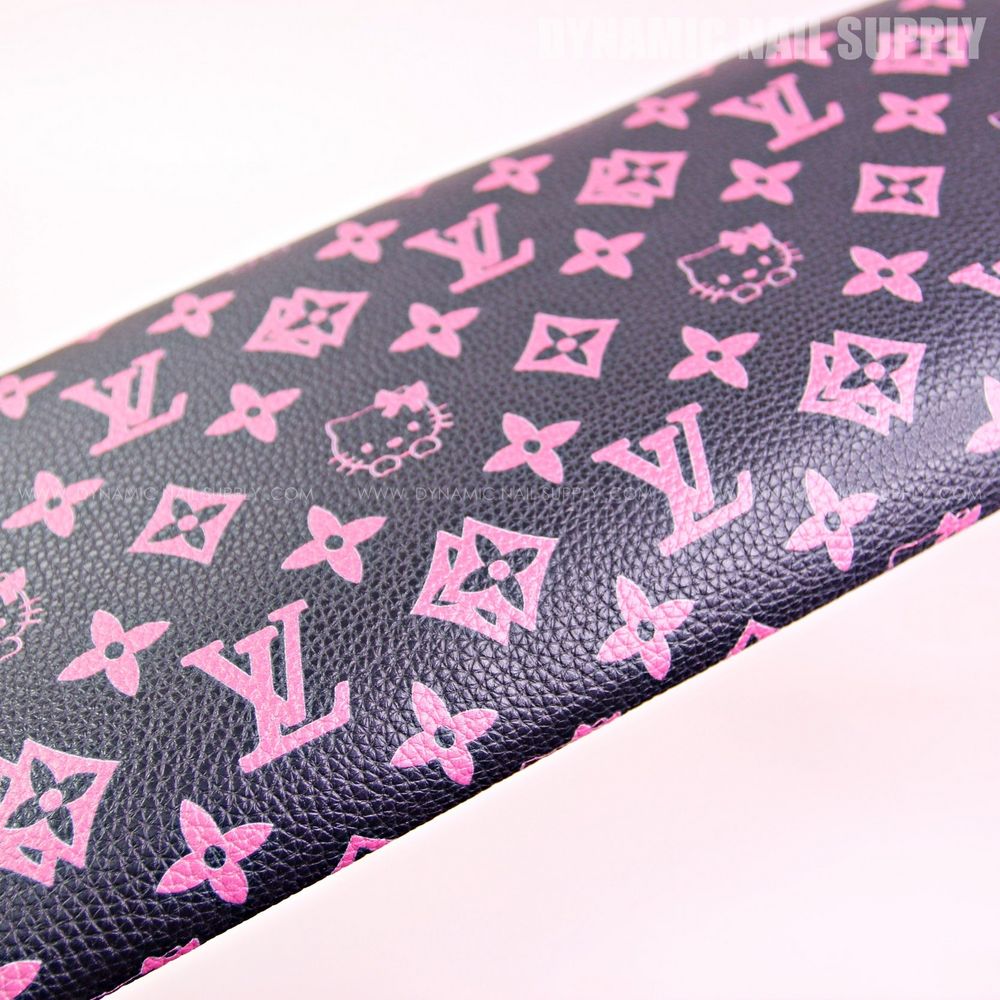
Fresh polish smudges are a common spot problem. We recommend a staged approach: blot solids first, then use a mild, water‑based cleaner to lift pigment. Avoid acetone and strong solvents directly on the cushion — those can dull the printed bubblegum-pink motifs and weaken the faux-leather finish.
- Blot excess polish with a dry cloth; don’t rub.
- Apply a small amount of pH‑neutral cleaner to a cloth; test on a hidden edge if unsure.
- Gently roll the cloth over the spot along the grain of the pebbled texture; dry immediately.
For services that generate glue or primer drips (popular with sculpted nail sets or heavy tip adhesive), we inspect the cushion under good light and treat spots immediately. When working with thin natural nails or delicate art, place a disposable barrier to prevent accidental transfer.
How to protect the chrome legs and anti-slip brackets
The shiny metal supports are part of the RM009’s modern look but need different care than the cushion. After finishing cushion cleaning, wipe the chrome legs with a slightly damp microfiber and a mild soap solution, then dry thoroughly to prevent water spots and early corrosion. If your salon uses stronger disinfectants, avoid prolonged contact with the metal — rinse and dry the legs after disinfecting the surrounding area.
We schedule a short metal-check once per week to tighten visible fasteners and confirm the anti‑slip brackets are secure. Small preventive steps keep stability consistent during services, especially when supporting guests with long or heavy sets.
We recommend placing a compact care kit near your station that contains cloths, the approved cleaner, a mild soap, and a small toothbrush for textured grooves; that way you can respond quickly when a spill happens and preserve both the printed motif and chrome finish.
We plan our station layout so the RM009 Pink LV Kitty handrest sits where spills are easy to reach and quick to treat.
How to perform weekly deeper maintenance
Weekly care restores the overall look and inspects for hidden wear. We follow a gentle, low-moisture routine designed for the printed black pebbled surface and the faint watermark text:
- Vacuum or brush seams to remove embedded dust from the pebble texture.
- Clean the surface with a mild soap solution on a damp cloth, moving with the texture, then wipe dry immediately.
- Inspect the printed pink motifs and watermark under good light; if you notice dulling, stop aggressive cleaning and return to low-moisture wipes.
- Polish chrome legs with a dry, nonabrasive cloth only; avoid metal polishes that may contact the cushion.
Price note: this armrest is listed at $35; prices may change.
How to adapt care for different nail services and nail types
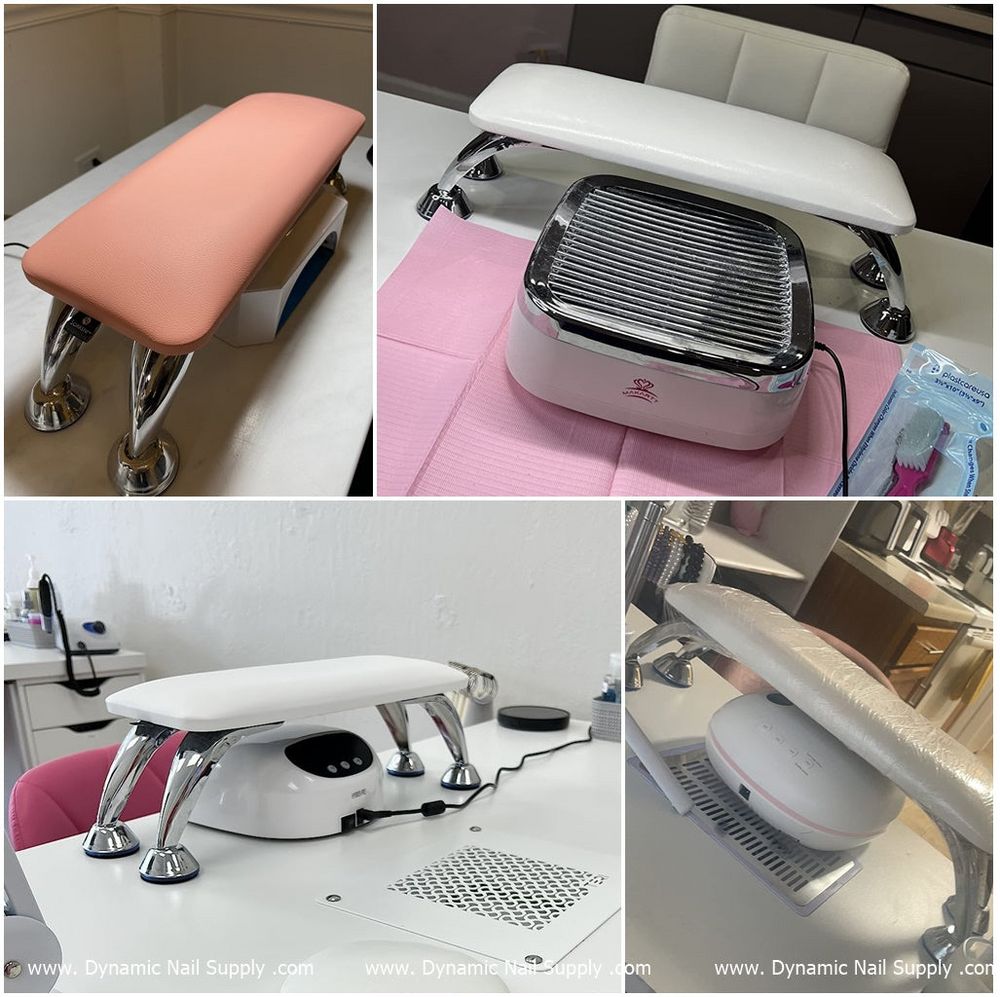
We adjust technique based on the service and the client’s nails:
- Short or natural nails: quick client-to-client wipes are usually sufficient; encourage clean hands before service.
- Long extensions or sculpted tips: use a disposable barrier for long fills and check the cushion for adhesive or primer stains immediately after removal.
- Thin or fragile nails: minimize any chemical exposure on the cushion by using covers and by keeping polish and solvents on the work tray, not the handrest.
- Heavy art or stamping: protect the cushion during intricate transfers and clean spots quickly to avoid pigment setting into the pebbled texture.
How to schedule inspection and replacement
We perform a quick stability and surface check daily and a deeper inspection weekly. Look for cracking at the cushion edge, persistent stains that don’t lift with mild cleaning, or loose chrome brackets. When the printed motifs fade or the pebbled surface delaminates in sections, it’s time to reassign the piece or rotate it out of client-facing stations.
FAQ
- Can we disinfect between clients? Yes — use a low-moisture, pH-neutral disinfectant suitable for synthetic leather; rinse excess and dry metal parts promptly.
- Is acetone safe for spot removal? No — avoid acetone directly on the cushion to prevent fading and surface damage.
- How do we remove stubborn adhesive? Gently lift residue with a damp cloth and mild soap; do not scrape the pebbled texture with sharp tools.
- Should we use covers? Disposable covers are helpful for high‑risk services like sculpting or art transfer and reduce cleaning time.
We hope this routine helps you maintain faux leather handrest performance and the playful bubblegum-pink motif on RM009. Explore the product details to see if this style fits your station and workflow.
